
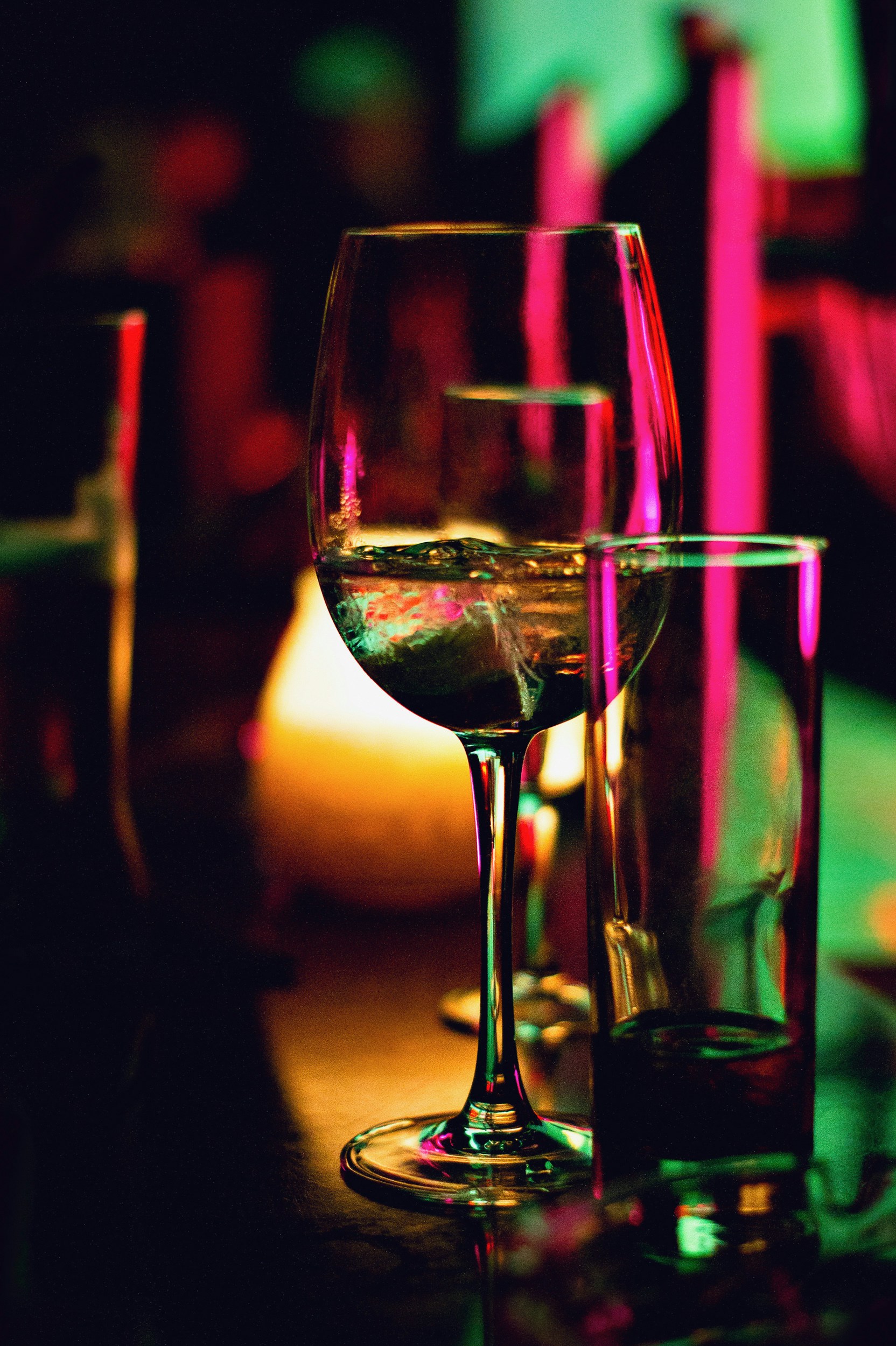
Alcohol! There’s a drink for every reason, season and occasion:
Champagne for celebrations!
Shots for that 50th birthday!
Wine for girls’ night!
Beer to survive the Cleveland Browns!
And then there’s the everyday stuff.
A glass of wine after wrangling the kids. A bourbon after a brutal day at work. A few drinks with friends because…well, it’s Friday.
Alcohol is woven into how we celebrate, socialize, relax and unwind.
But what is that drink actually doing to your body and your results?
Because beyond the buzz and good times, alcohol can have a BIG impact on your health, fitness and progress.
That nightly pour or weekend cocktail lineup can quietly make it harder to lose body fat, mess with your sleep and recovery, drain your energy and leave your workouts feeling more like survival than strength.
So if the scale feels stuck, your jeans are fitting a little tighter, or your energy and workouts have been blah lately, it might be time to take a closer look at what’s in your glass.
No, we’re not telling you that you can never drink again.
But if you have health, fitness or fat-loss goals, understanding how alcohol affects your body can help you decide when that drink is worth it…and when it might be working against you.
So let’s raise a glass to the truth!
Here’s what we’re uncorking:
- How alcohol affects your body, health + results
- How much and how often really matters
- How to create balance without giving up your social life
How Alcohol Affects Your Body, Health & Results
Alcohol is sometimes referred to as the “fourth macronutrient,” but it plays a very different role than the three nutrients your body actually needs: protein, carbohydrates and fats.
Here’s a quick refresher:
- Protein & Carbs: 4 calories per gram and provide your body with energy and important nutrients.
- Fats: 9 calories per gram and support energy, hormones and the absorption of certain vitamins.
- Alcohol: 7 calories per gram without providing the essential nutrition your body gets from protein, carbs and fats.
But calories are only part of the story.
When you drink alcohol, your body prioritizes breaking it down and getting it out of your system.
Translation? That drink doesn’t just add calories. It can affect fat burning, muscle recovery, sleep, food choices, energy, and how you feel when it’s time to work out.
Let’s break it down.
#1. Fat Loss + Fat Burning: When alcohol enters your body, fat burning takes a backseat.
Unlike carbs, protein or fat, your body can’t store alcohol, so it prioritizes breaking it down and getting it out of your system. While your body is processing alcohol, fat burning stops, stalls or slows because metabolizing the alcohol becomes the priority.
Translation: instead of efficiently using stored body fat for energy, your body is busy dealing with the alcohol first.
And then there are the calories.
Alcohol contains 7 calories per gram, and those calories can add up fast once you factor in multiple drinks, mixers and post drinking food choices..Taco Bell anyone?!
Alcohol affects fat loss in multiple ways:
- You’re adding calories from the alcohol itself.
- Your body temporarily reduces fat burning while processing it.
- You’re more likely to eat additional high-calorie foods.
- Poor sleep and low energy can affect your workouts and activity the next day.
That’s why alcohol can make losing body fat a whole lot harder, even when you feel like you’re doing everything else right. You can crush your workouts and eat perfectly Monday through Friday, but if several drinks every weekend wipe out your calorie deficit and repeatedly interrupt fat burning, your results are going to reflect it.
You can’t out-train your drinking habits.
#2. Muscle Building + Recovery: You don’t actually build muscle while you’re lifting weights.
Your workout gives your body the stimulus to build muscle BUT te repair and rebuilding happen afterward. That means protein, nutrition, sleep and recovery matter BIG TIME.
Higher amounts of alcohol can interfere with muscle protein synthesis and recovery, especially when drinking happens around your workouts. So….if your goal is to get stronger, build or maintain lean muscle and change your body composition, what you do outside the gym matters too.
#3. Sleep: Sure, a drink might make you sleepy and help you fall asleep faster. But passing out faster and getting quality sleep are two very different things.
Alcohol can disrupt your sleep throughout the night and reduce the quality of the restorative sleep your body needs.
The result? You wake up groggy, unfocused and wondering why eight hours in bed somehow felt like four.
And poor sleep doesn’t just make you tired. It can affect hunger, cravings, energy, workout performance and recovery.
So that nightcap might help you fall asleep, but it could also make everything you’re trying to accomplish the next day a whole lot harder.
#4. Workout Performance: Ever tried crushing a workout after a night of drinking?
Alcohol can contribute to dehydration and poor sleep, which isn’t exactly a winning combination for your next training session.
You may feel sluggish, weaker and less motivated to exercise.
And sometimes the biggest impact isn’t the workout itself.
One late night becomes sleeping through Saturday’s workout, then you’re tired Sunday and by the time Monday rolls around, you’re still trying to “get back on track.”
Suddenly one night affected three days. Do that regularly and it becomes much harder to stay consistent enough to get results.
#5. Food Choices: You know the drill.
A few drinks in and suddenly your binging pizza, burgers, fries, and Taco Bell.
Alcohol lowers your inhibitions, which makes it much easier to throw your normal nutrition habits out the window.
So now you’re not only adding calories from alcohol, you may also be adding appetizers, dinner, dessert, late-night food and the next morning’s “I need greasy breakfast immediately” meal.
That’s where alcohol can become a double whammy for fat loss: the drinks + everything that comes with them.
And remember, fat burning has already taken a backseat while your body prioritizes processing the alcohol. So that innocent happy hour can have a much bigger impact than the calories listed next to your glass of wine.
#6. Mood, Motivation + Mindset: Alcohol may help you relax temporarily, but it’s a central nervous system depressant and can affect your mood, concentration and energy.
The morning after may bring brain fog, irritability, low energy or anxiety on top of being tired.
And when you don’t feel great?
Working out, meal prepping, getting your steps and making choices that support your goals suddenly require a whole lot more effort.
One night isn’t going to destroy your progress. But when drinking regularly leads to poor sleep, skipped workouts, lower energy and food choices that don’t support your goals, those effects can add up quickly.
So…How Much + How Often?
Now for the part everyone actually wants to know:
Do I have to give up alcohol completely to get results?
No.
But you DO need to be honest about how much you’re drinking, how often you’re drinking and whether those choices line up with the results you say you want.
Because there’s a big difference between having a drink at a wedding, birthday or occasional night out…and drinking several nights every single week because Tuesday was stressful, Thursday is practically Friday and, well, Saturday.
One is occasional. The other is becoming a habit.
And that’s the conversation worth having with yourself. Ask yourself:
- How many days per week am I drinking?
- How many drinks am I actually having each time?
- How does drinking affect what I eat?
- How do I sleep afterward?
- Does it cause me to skip workouts or move less the next day?
- Is it making it harder to maintain the calorie deficit I need for fat loss?
- Are my drinking habits aligned with my current health and fitness goals?
This isn’t about being “good” or “bad.” It’s about choices and expectations.
If fat loss, better sleep, more energy, improved performance, or better overall health are priorities right now, reducing how much and how often you drink is one lever you can pull.
And you don’t have to go from Friday cocktails to never touching alcohol again.
Maybe you:
- Have one drink instead of three.
- Drink one night this weekend instead of both.
- Alternate alcoholic drinks with water.
- Choose a lower-calorie option.
- Eat a balanced meal before going out.
- Save alcohol for occasions you actually care about instead of drinking simply because it’s part of your routine.
Small changes add up!
You can absolutely enjoy your life AND work toward your goals. But every goal comes with choices.
The more frequently you drink and the more you consume, the more opportunities alcohol has to add calories, interrupt fat burning, affect your sleep, compromise recovery and influence what you eat and how you feel the next day.
So the next time you’re pouring a drink, ordering another round or automatically reaching for that nightly glass of wine, ask yourself:
Do I really want this, or is this just what I always do?
Sometimes the answer will be:
Yep. Pour the champagne!
Other times?
You might realize your sleep, workout, energy and goals matter more tonight.
You get to decide. Just make sure your choices match the results you’re expecting.