
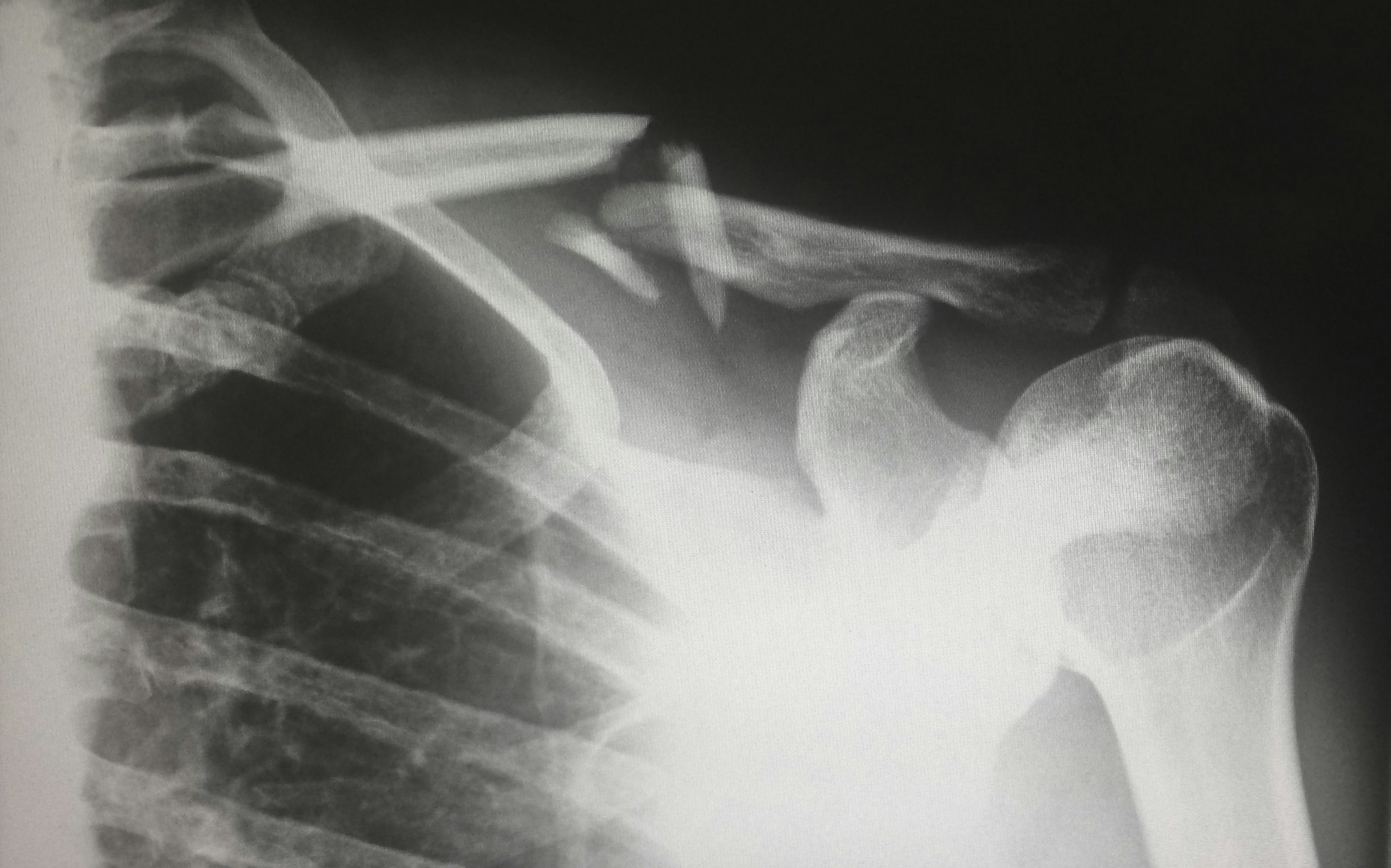
Whether you’re a seasoned athlete or simply want to move better and feel stronger for everyday life, injuries happen!
From arthritis and slipped discs to cranky knees, tennis elbow, and tight hips, aches and pains don’t just interfere with your workouts, they affect your life.
Suddenly, carrying your grandkids, hauling groceries, climbing stairs, working in the yard, or picking up that Amazon package becomes painful, frustrating, and sometimes even impossible.
When something hurts, it’s natural to think you should stop exercising.
But in many cases, that’s the exact opposite of what your body needs.
Avoiding movement can actually lead to more pain, stiffness, weakness, and loss of mobility over time.
Movement is medicine.
And when done correctly, strength training is one of the most effective tools for reducing pain, supporting recovery, improving mobility, and helping prevent future injuries.
The key is that your workouts need to be smart, personalized, and modified to meet your body where it is.
That’s where coaching makes all the difference!
Many of our RF Warriors started with chronic pain, old injuries, arthritis, or while recovering from surgery.
Through personalized exercise programs and one-on-one coaching in our Small Group Personal Training sessions, they’ve safely regained strength, improved mobility, and returned to doing the things they love outside the gym!
In this blog, you’ll learn:
- How strength training helps you recover from injuries.
- How to exercise safely around aches, pains and physical limitations.
- Why personalized coaching keeps you active and doing what you love!
Because the goal isn’t simply getting back into the gym. It’s getting back to living your life with more strength, confidence and less pain.
Why Strength Training Matters (Even When Hurt)
One of the biggest mistakes people make after an injury is assuming they should stop exercising altogether. While some rest is important during the early stages of an acute injury, doing nothing for weeks or even months can actually slow your recovery.
Too much inactivity often leads to:
- Muscle loss
- Stiff joints
- Poor circulation
- Worsening imbalances
- Delayed healing
- Compensations and new injuries elsewhere
The goal is working around the injury, not through it.
Strengthening the rest of your body keeps you moving, supports healing and builds long-term resilience. Stregnth training around injuries:
- Maintains & rebuilds muscle mass: Keeping the rest of your body strong reduces the workload on the injured area.
- Enhances blood flow: Movement promotes circulation which means a faster, more efficient recovery process!
- Supports joint stability: Strengthening surrounding muscles reduces stress on already compromised joints.
- Improves mobility & function: Controlled resistance training keeps you moving and improves range of motion over time.
- Improves mental health: Staying active reduces the mental toll of an injury, helping you feel empowered, not defeated!
Common Injuries You Can (And Should) Train Around
Here are seven of the most common injuries we see at Results Fitness and how smart, personalized strength training can help you continue making progress safely:
#1. Back Pain: Low back pain and spine-related conditions like herniated or degenerative discs are among the most common reasons people stop exercising.
But stopping isn’t the solution. Training smarter is!
Many back problems stem from a weak core, which can cause your hips to tilt forward and your lower back to over-arch; putting extra stress on the spine. This imbalance limits mobility, leads to chronic pain and can even trigger nerve symptoms that radiate into the legs.
The key is building a strong, stable core and reinforcing proper alignment through postural strength.
What to Do:
- Use lighter weights or bodyweight movements
- Build core stability with: Bird dogs, dead bugs, planks, glute bridges, resistance bands, machine work, anti-rotation holds
- For disc-related issues: Stick to supported positions (machines, bands, or bodyweight exercises)
- Build postural strength with: Chest presses, rows and other supported pulling/pushing movements
What to Avoid:
- Heavy weights or loaded lifts (especially early on)
- Sit-ups, crunches or uncontrolled twisting
- Deep forward bends (like toe touches) that place stress on the spine
#2. Joint Replacements (Knee, Hip, Shoulder): Strength training isn’t just part of post-surgery rehab, it’s a smart move before surgery, too!
- Pre-surgery strength training preserves muscle mass, supports joint function and sets you up for a smoother recovery. The stronger and more mobile you are going into surgery, the easier rehab becomes!
- Post-surgery strength training (in coordination with your PT) reduces pain, restores mobility and gets you back to doing what you love faster.
At RF, we collaborate with your medical team to help you progress safely. Our Warriors often recover ahead of schedule thanks to the smart strength work they put in before and after surgery.
What to Do:
- Low-impact resistance exercises
- Controlled range-of-motion movements (as cleared by your PT)
- Seated leg presses, TRX-supported squats, resistance bands
- Light dumbbells with full-body focus
What to Avoid:
- High-impact or high-speed movements (e.g., jumping)
- Deep squats or lunges beyond your safe range (especially early post-op)
- Overhead pressing (especially after shoulder replacements)
#3. Arthritis: Think lifting will make arthritis worse? Think again!
Strength training reduces joint pain and improves mobility! Using moderate weights and focusing on pain-free range of motion keeps your joints lubricated and functional so moving becomes easy and pain free.
What to Do:
- Moderate weights through pain-free range of motion (this is different for everyone)
- Resistance band work, water-based exercises, isometrics, mobility work
What to Avoid:
- High-impact movements (jumping, sprinting)
- Fast-paced, ballistic exercises or any that cause joint pain
#4. Tennis & Golf Elbow: Overuse injuries that can temporarily bench you but with smart, modified grip work, you should keep training your upper body.
Building grip strength through controlled, stable movements helps manage pain and prevent setbacks. Keep moving with pain-free exercises, train your opposite arm, legs, and core, and use isometric holds to maintain overall strength.
What to Do:
- Bicep curls, banded pull-aparts, isometric holds
- Weighted carries and opposite-side training
- Supported lifting
- Core and lower body strength exercises
What to Avoid:
- Unstable gripping and pulling movements like pull-ups
- Overdoing tennis or golf
- Heavy gripping or unsupported lifting with the injured arm
- Repetitive grip tasks like carrying groceries, mowing, or prolonged typing without breaks
#5. Knee Discomfort / Pain: Bad knees? Whether from general soreness, meniscus injuries, or replacements, knee issues can make squatting and lunging challenging. But with smart adjustments, you can keep building strength safely!
Modifications that reduce joint stress and control movement depth are key to improving strength and mobility without pain. Since your legs support everyday actions like standing and walking, maintaining their strength is crucial to strengthen your lower body and avoid long-term instability.
What to Do:
- Perform shallow or supported squats and lunges to limit strain
- Incorporate leg extensions and box squats for controlled movement and depth
- Strengthen glutes and hamstrings with bridges and curls
- Add calf raises and gentle step-ups for stability and balance
What to Avoid:
- Deep squats or lunges without proper support
- High-impact activities like running or jumping
- Twisting or pivoting motions that stress the knees
#6. Shoulder Pain & Rotator Cuff Issues: Whether it’s a rotator cuff injury, replacement or just feels ”off” since sleeping on it wrong, shoulder issues often limit overhead movement and pushing.
While some exercises may be off the table temporarily, pulling motions, core work, and lower body are still in play! Controlled shoulder exercises increase blood flow and improve function without aggravating the joint, helping the injury heal and making movement easier.
What to Do:
- Lateral raises, isometric holds, carries, scapular retraction work
- Lower body and core training
What to Avoid:
- Overhead pressing, dips, bench press (depending on severity)
- Fast-paced or heavy upper body movements
#7. Weak Wrists: Push-ups bothering your wrists? No problem!
Wrist discomfort can limit exercises like push-ups, down dogs or barbell lifts but there are plenty of wrist-friendly alternatives! Things like dumbbells, neutral-grip positions, using straps, machines, or handles are wrist friendly and allow you to continue training pain free!
In order to strengthen the wrist itself, training your grip strength using the exercises below will improve function long-term of your wrists:
What to Do:
- Curls, carries, grip strength holds, wrist curls
- Dumbbells, neutral grip pressing, machines
What to Avoid:
- Flat-handed push-ups, heavy barbell pressing without wrist support
- Any exercises causing sharp wrist pain
Tips for Training Safely Around Injuries
#1. The first and most important step is to stop working through pain and get a proper diagnosis.
Avoiding medical advice because you “don’t want to know” only risks worsening your injury. A doctor or physical therapist can pinpoint the problem and guide you toward healing.
#2. Hire a coach, like our team at Results Fitness! If you want to recover faster and get back to a pain-free life, trying to do it alone or skipping professional guidance is a sure way to risk reinjury.
Working with a certified coach is as essential as having a surgeon or physical therapist. We know exactly what your body needs and how to help you progress safely and effectively. With coaching, you will:
- Focus on what you can do, never pushing through pain
- Receive safe, personalized modifications designed just for you
- Learn proper form with expert guidance to avoid injury
- Progress at a pace built around your body and goals
Once you’ve been evaluated by your physician or physical therapist, an experienced coach can help you safely transition back to exercise.
At Results Fitness, every workout is personalized to your body, your goals and your current abilities. Whether you’re recovering from an injury, managing arthritis, or simply want to move better, we’ll help you train safely, build confidence and keep making progress.
The goal isn’t to avoid movement. It’s to find the movements your body can do and keep getting stronger from there!