
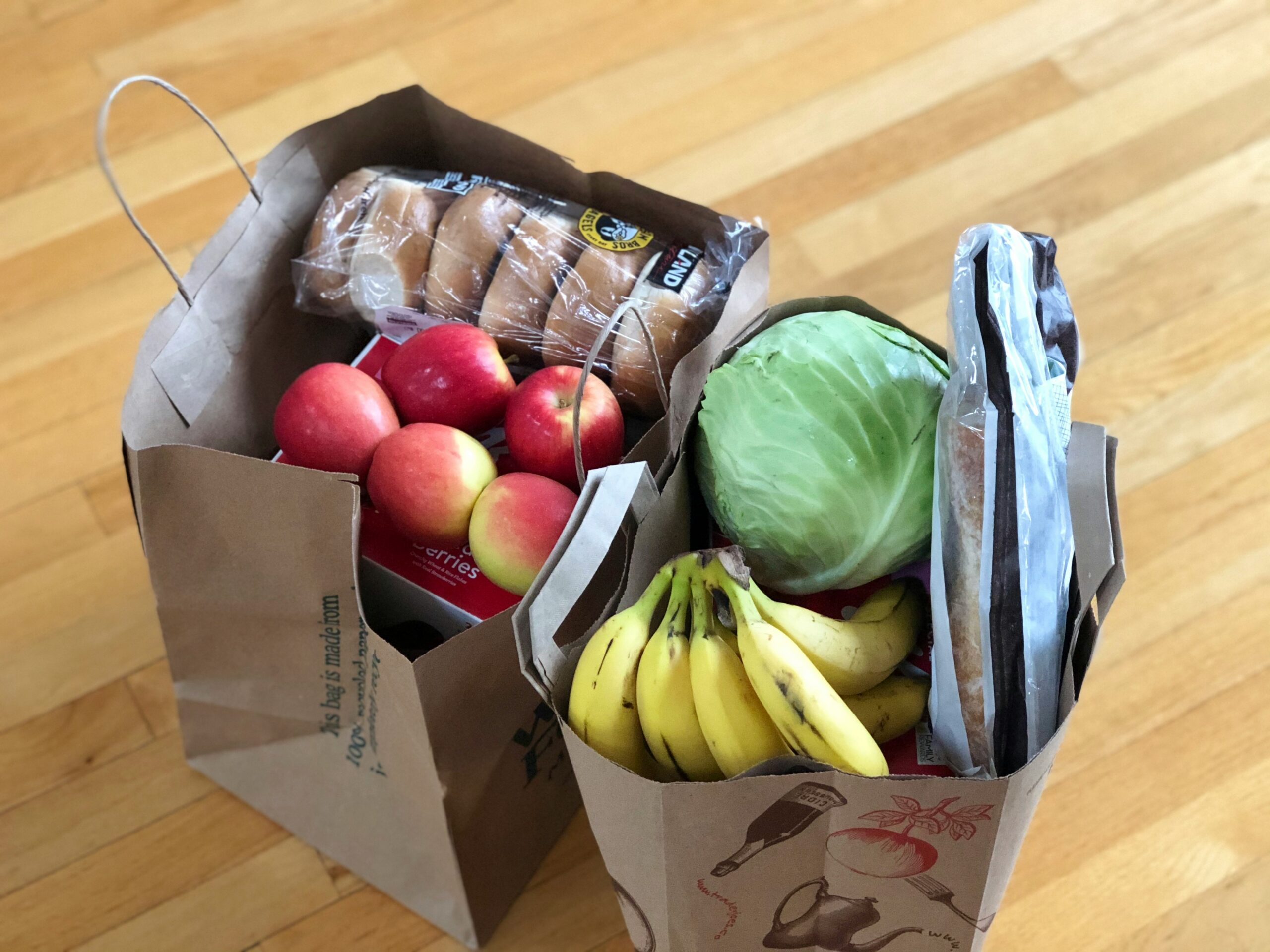
Let’s talk about something we hear all the time as a coaches:
“I want to eat healthier, but groceries are so expensive.”
And honestly?
You’re not wrong.
Between work, kids, workouts, sports schedules, trying to have some kind of social life, and keeping your house from looking like a tornado hit it, eating healthy can feel expensive and exhausting.
You might assume healthy eating means hefty price tags, fancy health foods, organic everything, expensive supplements, and foods you can’t pronounce.
The good news?
It doesn’t!
At Results Fitness, we define and approach healthy eating by focusing on real foods (think fruits, veggies, potatoes, eggs, chicken, beef, turkey, lentils, nuts, seeds, avocado) because they provide nutrients, make you feel good and keep you healthy!
Separate from being good for ya, real foods help stretch your dollar so that you can get more bang outta your grocery bill buck!
Healthy eating gets expensive when convenience becomes the default: relying on takeout, DoorDash, drive-thrus, frozen convenience meals, protein bars, and pre-packaged “healthy” snacks.
If you eat 2–3 meals per day, that adds up to roughly 14–21 meals every single week ( more if you’re feeding a family).
Now think about how quickly convenience spending adds up:
• A few $15–20 takeout lunches during the workweek
• A couple $70 DoorDash dinners for the family
• A drive-thru stop here and there
Suddenly, you’ve spent hundreds of dollars… and only covered a small portion of your weekly meals!
When it comes to eating healthy on a budget, you need smart shopping strategies, simple meals and real foods that stretch into multiple meals.
In this blog, I’m sharing 6 strategies on how to eat healthy on a budget so that you know where to shop, what to buy and how to stop overspending on groceries while feeling your best, fueling your body and hitting your goals!
________________________________________________
#1. BUY TO CREATE MULTIPLE MEALS
One of the easiest ways to save money on groceries is buying real foods you can use multiple ways throughout the week.
Simple staples like eggs, rotisserie chicken, ground turkey, rice, potatoes, oats, Greek yogurt, frozen vegetables, beans, and lentils are affordable, filling, nutritious, easy to prepare, and flexible across multiple meals.
- Rotisserie chicken becomes tacos, wraps, salads, soups, or protein bowls
- Rice stretches into multiple lunches and dinners
- Potatoes work for breakfast, lunch or dinner
- Oats last weeks and cost pennies per serving
- Greek yogurt works for breakfast, snacks or dessert
This is where healthy eating AND saving money start working together!
#2. KEEP IT SIMPLE
Eating healthy on a budget gets easier when you simplify your meals!
If you’re getting home at 6:30pm starving and mentally fried, the goal is not making a Pinterest-worthy dinner. The goal is having food ready, so you don’t end up stress-ordering pizza and calling it a “cheat meal.”
Same proteins. Same carbs. Different meals. Less time in the kitchen. WAY less food waste.
And honestly? Boring is underrated! Here’s how to keep eating healthy simple:
- Pick 3–4 meals for the week (and repeat!)
- Buy ingredients that overlap in multiple ways, in various meals
- Buy and cook extra for leftovers (always have readily available options on hand)
#3. SAVE MONEY (and waste) WITH FROZEN FOOD
Let me say this loud and clear: Frozen fruits and vegetables are a win and deserve way more respect!
Frozen fruits and vegetables are a HUGE money saver because they’re cheaper, long-lasting, low prep, nutrient-dense, and far less likely to go bad before you use them.
Throwing away spoiled produce every week is frustrating AND expensive!
And, if you have kids at home, you know what I’m talking about!
My go-to frozen staples are broccoli, green beans, peppers and onions, berries, and spinach.
And let’s be real…your body does not care if the broccoli came from the freezer aisle.
#4. SHOP SMARTER!
You do NOT need expensive, specialty grocery stores to eat healthy.
Big name stores like Aldi, Walmart, Costco, and Sam’s Club paired with local spots like Sweet Berry, Sun Plum Market, and Produce Place can save you a TON of money on quality foods.
- Aldi is especially great for staples like eggs, Greek yogurt, frozen fruit, oats, rice, cottage cheese, chicken, and ground turkey.
- Local markets like Sweet Berry, Sun Plum, and Produce Place often have better produce prices, affordable meats, weekly specials, and seasonal fruits and vegetables (which are usually cheaper)
- Costco and Sam’s Club save you money because you buy in bulk.
The best bulk buy is protein; which is usually the most expensive part of grocery shopping.
And, if there’s one thing I want you to prioritize at the grocery store it’s protein because it’s essential for maintaining your muscle mass, supporting your metabolism and keeping your hunger in check.
My budget-friendly protein recommendations include:
- Eggs
- Chicken thighs or a whole chicken
- Ground turkey or chicken
- Canned tuna or salmon
- Plain Greek yogurt
- Beans and lentils
#5. AVOID TRICKY FOOD LABELS
Unfortunately, grocery stores LOVE making healthy eating feel more complicated than it needs to be.
Just because something says “Keto,” “Organic,” “Gluten-Free,” “Clean,” or “High Protein” does NOT automatically make it healthier or worth the price.
A lot of “health foods” are simply regular foods with better marketing and a much higher price tag. You do not need $18 smoothies, expensive supplements, $50 protein bars, or other “healthy” snacks that are ultra-processed and overpriced.
Real food does the heavy lifting (pun intended).
Plus, store brands are nearly identical to name brands for a fraction of the cost.
(I promise many store brands are just as good, if not better, as name brands!)
Here’s quick list of great places to save with store brand items:
- Name-brand Greek yogurt: $6–7 // Store-brand: $3–4
- Pre-cut fruit trays: $10–12 // Whole fruit: half the cost and lasts longer
- Name-brand cottage cheese: $5–6 // Store-brand: $2–3
- Organic packaged salad kits: $6–8 // Whole heads of lettuce: $2–4 and makes more servings
- Name-brand frozen vegetables: $4–5/bag // Store-brand: $1–2/bag
- Individual oatmeal packets: $5–7/box // Large container: $3–5 and lasts weeks
- Pre-marinated/prepped chicken: $8–10/lb. // Plain chicken breast or thighs: often $3–5/lb.
- Chicken breast at traditional grocery stores: $5–7/lb. // Costco: $3–4/lb.
Nobody is handing out trophies for buying the expensive version. Healthy eating gets expensive when you pay for convenience, branding, and fancy packaging…not when you buy simple, real foods.
#6. EVALUTE YOUR SPENDING
I’m not here to tell you to never enjoy restaurants again. That’s not real life.
But… if grocery prices stress you out yet your AMEX is racking up restaurant points, it may be time to reevaluate where your money is actually going because constantly eating out gets expensive fast:
| Household | One Dinner Out | One Week of Groceries |
| Single person | $25–40 | $60–100 |
| Couple | $50–80 | $100–180 |
| Family of 4 | $75–130 | $180–300 |
One dinner out can easily equal several days of groceries, multiple home-cooked meals and half a weekly grocery budget!
And this does not include drinks, appetizers, dessert, delivery fees, or gratuity.
When you do eat out and still want to save money and eat healthy, prioritize protein first, always add veggies where you can, and choose one (not all) of the following: appetizer, adult beverage or dessert.
I want you to remember this: Eating health doesn’t have to be expensive, complicated or perfect to work.
Most of the time, eating healthier actually comes down to doing less (less takeout, convenience spending and food waste) and MORE of the basics (eating real foods like protein, fiber rich smart carbs and veggies) keeping meals simple and shopping smarter.
The people who get the best long-term results are not the people who eat perfectly for three days.
They’re the people who learn how to make healthy eating fit their real life — busy Tuesdays, chaotic Thursdays, kids’ schedules, long workdays, weekend travel, etc. and all.
If you want help building a realistic nutrition plan that actually fits your goals, schedule, lifestyle, and budget, that’s exactly what we do here at Results Fitness!