
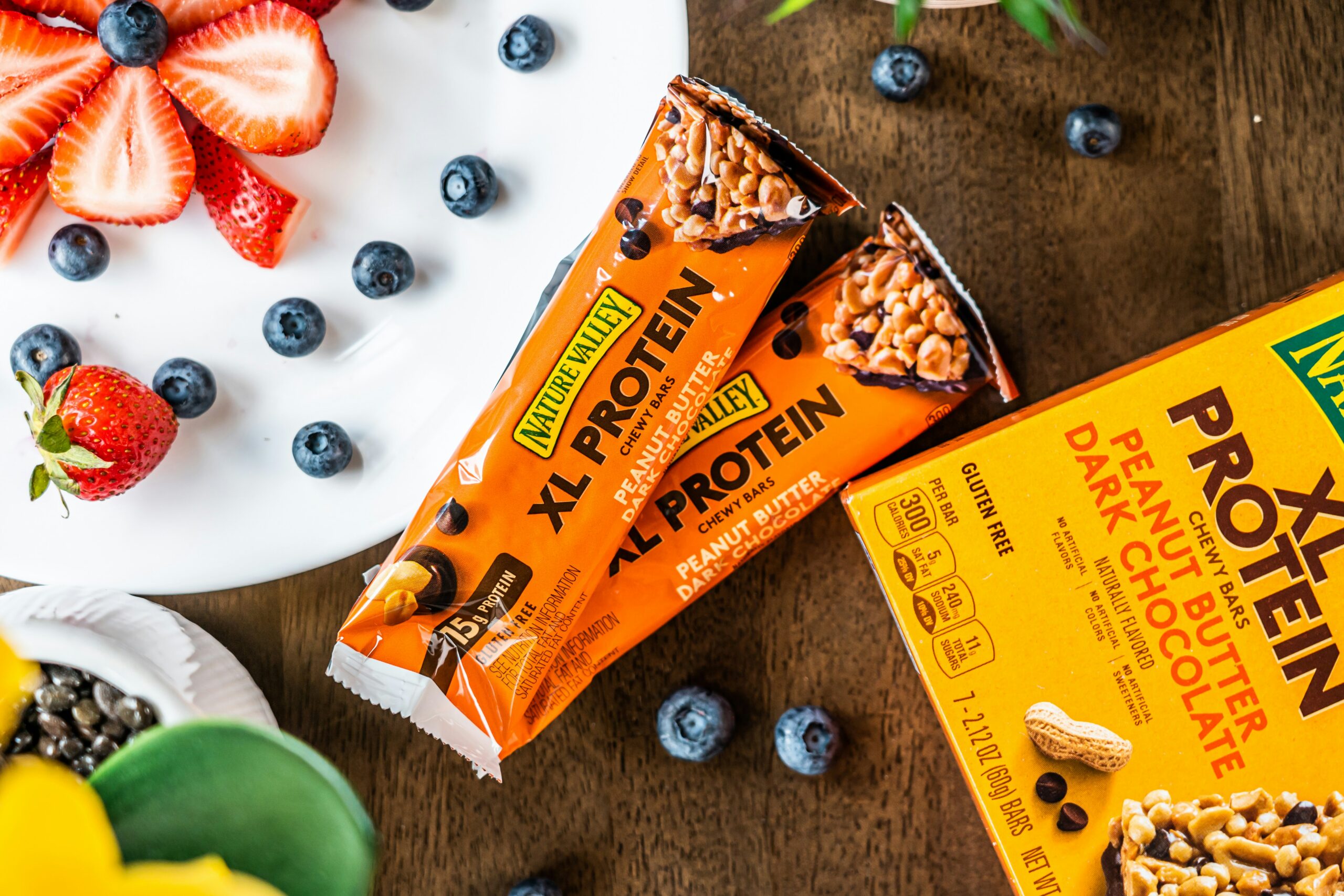
Protein cookies. Protein chips. Protein cereal. Protein brownies. Protein ice cream.
Hell… I even saw protein Pop-Tarts and ketchup recently!
Somewhere along the way,“high protein” became synonymous with “healthy.”
Wish I were kidding… but nope. This sh!t really exists.
If you’re trying to get leaner, stronger, healthier, or lose weight, these foods can seem like a no-brainer.
Protein has exploded in popularity over the last several years because it’s associated with muscle building, fat loss, fullness, and better health.
So naturally, you think: “If it says high protein, it must be healthy.”
Unfortunately, that’s not exactly true.
In a recent blog, I talked about one of the biggest fat loss myths: “But I eat healthy.”
This is a direct spin-off of that conversation because food labels are REALLY good at convincing you something is healthy when in reality, it’s often just a glorified, ultra-processed snack with extra protein added.
And food companies know one thing for sure: Protein sells.
Slap “high protein” on the label and suddenly cookies, chips, Pop-Tarts, and cereal get a health halo.
Yes, these foods technically contain protein.
But…
Protein alone doesn’t make food healthy or nourishing.
In this blog, you’ll learn what’s really hiding behind the “high-protein” label and what to eat instead to build lean muscle, drop body fat, increase energy, and actually eat healthy!
WHAT’S REALLY BEHIND THAT LABEL?
Most high-protein packaged foods come with trade-offs you need to know about:
#1. STILL Processed: Protein bars, cookies, chips, cereals, shakes, breads, etc. are still loaded with:
• Refined oils
• Artificial sweeteners or sugar alcohols
• Fillers, gums, and preservatives
These ingredients can lead to bloating, digestive distress and increased cravings.
#2. Not Satisfying: A “high-protein” bar might have 18–20g of protein, but very little fiber or volume and eaten in 4 bites.
Now, compare that to eating a FULL plate with chicken, vegetables and potatoes, and you’ll feel the difference in fullness and energy.
Real foods provide volume, fiber, nutrients, and satiety that packaged foods simply can’t replicate.
#3. ZERO Nutritional Benefit: When protein becomes the marketing focus, it’s easy to gnore the other red flags:
• High sodium
• Minimal fiber
• Low vitamins and minerals
• Excess calories that don’t satisfy
Here’s the problem: If most of your “protein” comes from ultra-processed foods that aren’t nourishing or satisfying, your fat loss, energy, recovery, and performance suffer.
DITCH THE PROTEIN SNACKS. EAT REAL FOOD.
Real foods are minimally processed and packed with nutrients your body actually recognizes and uses. These foods are your golden ticket for muscle build, fat loss, weight loss, less chronic diseases, and a healthier, longer life!
Boosts Health:
• Iron, zinc, magnesium, and B vitamins support energy production
• Healthy fats support hormone health
• Fiber improves digestion and blood sugar control
Improves Recovery: Inflammation is part of training but real foods help manage it. Lean proteins as well as fruits, vegetables, and smart carbs provide antioxidants and minerals that packaged foods simply can’t replicate.
Supports Muscle & Fat Loss: Gym results don’t come from hitting protein once in a while—they come from consistency. Real meals are more satisfying, easier to regulate, and less likely to lead to overeating later.
PROTEIN OPTIONS THAT REALLY WORK
Instead of chasing the newest protein-packed snack, build your meals around real protein option staples:
Animal-Based Options
• Eggs and egg whites
• Chicken, turkey, lean beef
• Fish and seafood
• Greek yogurt or cottage cheese
Plant-Based Options
• Lentils and beans
• Tofu and tempeh
• Edamame
• Quinoa and whole grains paired with legumes
Add Balance for Best Results: You want to pair protein with smart carbs, healthy fats and veggies, always!
- Smart carbs: potatoes, rice, quinoa, oats, fruit,
- Heart-healthy fats: olive oil, avocado, nuts (almonds, cashews, pecans), seeds (flax, chia) nut butters
- Veggies: eat the rainbow!
This combo keeps energy levels stable, hunger in check, fuels workouts, supports recovery, and provides the nutrients your body needs to function.
So… Are High-Protein Processed Foods EVER Okay?
Yes, but they should be tools, not staples.
They can be useful:
- In a pinch, when better options are not available
- For travel or long days on the run
- As an occasional convenience item
They shouldn’t replace:
- Regular meals
- Post-workout nutrition
- Daily protein sources
If a food needs heavy marketing to convince you it’s healthy, that’s a clue!
Here are my top choices for higher protein, processed foods:
- Bars: RX, Kind Breakfast, rise
- Shakes: Iconic, Owyn, Premiere
- Powders: Isopure, Optimum Nutrition, Orgaine, Thorne
The Bottom Line
Protein is important, but how you get it matters too.
Real foods:
• Support performance and recovery
• Keep you fuller longer
• Provide nutrients beyond protein alone
• Help build sustainable habits that actually last
Processed high-protein foods can occasionally fit into a healthy lifestyle but your body was built to thrive on real food, not protein brownies and ketchup.
When in doubt, choose to build your plate over opening up a package.