
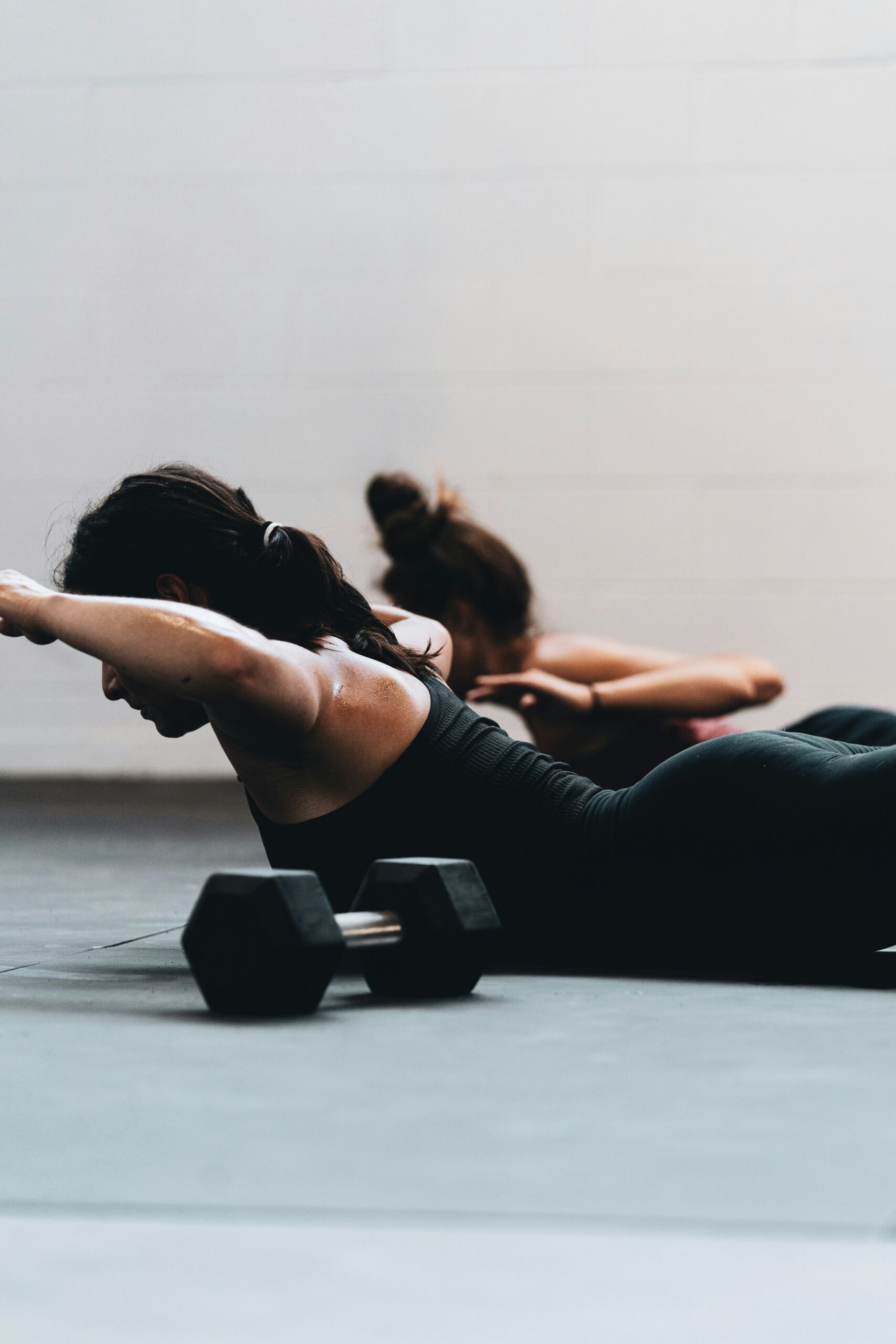
For decades, exercise science was centered around male physiology.
Training programs, recovery recommendations and injury-prevention strategies rarely included women like you — navigating careers, relationships, pregnancy or postpartum recovery, and constantly fluctuating hormones.
Fortunately (and FINALLY), that’s changing!
New research focused specifically on pre-menopausal women shows how crucial strength, speed, and agility training truly are.
And, not just for performance, but for your metabolism, bone health, hormonal balance, energy, and long-term resilience.
This blog is part 2 of my 3-part series on women’s strength training across every major life stage, from adolescence to menopause and beyond, that focuses on the pre-menopause years.
The years where your careers grow, families expand, stress increases, sleep decreases, and your hormones fluctuate more than you realize.
This phase isn’t about simply “staying in shape.”
If you’re in your 20s, 30s, or 40s, the focus is preparation.
At Results Fitness, we prioritize progressive strength training to help you build muscle, stabilize joints, support hormone health, and create a metabolic foundation that protects your future self.
Nothing is random.
Nothing is copied from someone else’s plan.
The goal isn’t just to work out.
It’s to prepare your body now so you can train effectively, gain confidence, and build a body that handles work, family, stress, and the years ahead with resilience!
To make sure you’re building the right foundation now, this blog is teaching you:
- Why strength training is essential before menopause
- How speed and agility protect your joints and athleticism
- Why exercise during pregnancy supports both you and your baby!
The Best Training For Pre-Menopausal Women
One of the most significant shifts in women’s health research? The focus on strength training before menopause!
Not only is this long overdue and very exciting, it confirms what experienced coaches have long known: strength training is not only safe for pre-menopausal women — it’s essential!
During your 20s, 30s, and 40s, your body is still heavily influenced by hormonal fluctuations across life phases like pregnancy and postpartum. These fluctuations impact your muscle mass, bone density, recovery, and energy levels.
Strength training helps counterbalance these changes by:
• Increasing lean muscle mass
• Improving joint stability
• Supporting metabolic health
• Enhancing insulin sensitivity
• Boosting overall energy
This isn’t about extreme workouts. It’s about building strength now — while your body is primed to adapt — so you enter the next phase of life resilient, capable and confident.
Strength training also improves neuromuscular efficiency, the communication between your brain and muscles, leading to better coordination, improved balance, and reduced injury risk.
If you’re managing work demands, raising children, returning from pregnancy, navigating stress, caring for aging parents, or simply feeling the effects of busy seasons, lifting weights provides structure. It reinforces proper movement patterns, rebuilds core and pelvic stability and restores confidence in what your body can do.
Bone health is another critical reason to lift weights! Peak bone mass is reached in your late teens to early twenties so after that, your goal is preserving that precious muscle mass. And because hormonal shifts during pregnancy and beyond can accelerate bone loss, strength training is one of your best defenses!
Most importantly, it builds the foundation that carries you into perimenopause and menopause stronger, instead of playing catch-up later.
Another important type of training pre-menopause? Speed and Agility.
Speed and agility training aren’t just for athletes — they’re essential for keeping you athletic in everyday life!
Strength keeps you strong enough to carry the laundry basket upstairs, load suitcases into the trunk, hold a toddler on your hip, and power through long workdays without your back aching.
Speed keeps you capable when you miss a step, slip on ice, change direction quickly, or need to react fast — because life doesn’t move in slow motion.
When programmed properly, agility work is safe and highly effective because it improves your coordination, reaction time, footwork, and stability by strengthening connective tissues and reinforcing proper landing and deceleration mechanics.
Quick directional changes and controlled acceleration patterns strengthen the brain-to-muscle connection, improving resilience and joint stability. This is especially important since women are more prone to knee injuries.
The Benefits of Exercising During Pregnancy
Your body is designed to grow a human — and movement helps support that process!
Staying active contributes to a healthier pregnancy, smoother postpartum recovery and better long-term well-being. With medical clearance, strength training during pregnancy is both safe and beneficial (lots of our members train up to delivery). Here’s why:
- Maintains muscle mass
- Reduces back pain
- Improves posture
- Supports joints as your body changes
- Stabilizes pelvis and spine, easing common pregnancy discomfort
- Boosts energy
- Reduces swelling
- Supports an efficient labor and delivery
Exercise also supports your mental health by reducing anxiety, improving sleep and giving you a sense of strength and control during a major physical change.
Note on the Third Trimester: Strength training and moderate cardio remain safe with clearance while agility training becomes riskier late in pregnancy. As your baby grows, your center of gravity shifts and because agility involves rapid direction changes and deceleration, the risk of falls or strain increases. During the third trimester, your goal is stability and preperation. Focus on slow, controlled strength work and low-impact cardio like walking, cycling, or controlled HIIT.
Women deserve training programs and information that reflect their biology—not outdated data based on male bodies!
With research finally catching up, we now understand that strength training, speed work and agility training are not only safe but essential for you to become your strongest most confident and resilient self across and through every stage of life!
Finding the Right Program for YOU!
If you’re in your 20s, 30s, or 40s, the focus is preparation.
At Results Fitness, we prioritize progressive strength training to help you build muscle, stabilize joints, support hormone health, and create a metabolic foundation that protects your future self.
Cardio is strategically added to improve stamina, heart health, and recovery — not to exhaust you, but to complement your strength work.
Through individualized 1:1 coaching, your program is built around YOU — your training history, current fitness level, lifestyle demands, health background, and any injuries.
Nothing is random.
Nothing is copied from someone else’s plan.
Every movement is adjusted so you can train effectively, gain confidence, and build a body that handles work, family, stress, and the years ahead with resilience.
The goal isn’t just to work out. It’s to prepare your body now so aging feels strong — not limiting through this stage, menopause and beyond!